
I’ve been made redundant about a dozen times. I’ve walked out of offices disheartened and frustrated, with a mind packed with things left unsaid. Each time, I left behind something I’d built—a project I poured my efforts into, a relationship that once mattered, an experience that no longer had a place—and I stepped out a little lighter, a little emptier. I’ve been reduced to a footnote in more organizations than I care to remember.
Redundancy convinces you that you are disposable, that your presence was convenient but ultimately unnecessary. It isn’t just about the loss of a paycheck or a schedule shuffle—it peels back your sense of worth, leaving you questioning everything you once believed about your adequacy and capabilities.
After a while, though, I began to see redundancy differently. It became a strange invitation to look closer at what I was building, and at the stories I’d told myself about what really mattered in a career. When the decision to let me go was made, I had to ask: What was left of me after leaving this place?
Put simply, redundancy forced me to step into something far more important: my own story. It provided me with something I hadn’t expected—space. Space to pause, reflect, and really look at what I wanted: the career I had been too afraid to pursue and quietly forgotten while sitting behind a desk from the hours of nine to five, helping somebody else get to where they wanted to be.
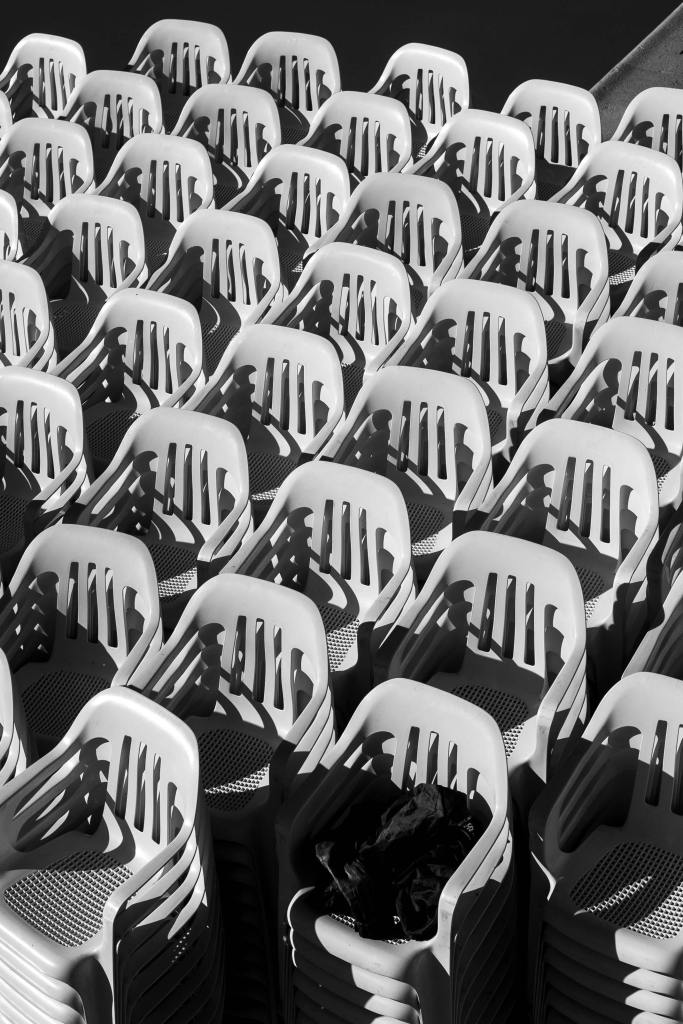
The Space Between Jobs
Ironically, even as redundancy removes you from one life, it opens the door to another. Each time I found myself without a job, I navigated the quiet space between endings and beginnings. In those spaces, I saw things I’d ignored before. The years spent building other people’s dreams. The parts of myself I’d buried beneath my “professional” persona.
Redundancy taught me a lot about accepting change by forcing me to question the narratives I’d built around success, stability, and self-worth. I began to understand that my worth wasn’t defined by any title or company. My worth was something I could carry with me, something rooted in who I am, rather than where I worked or what I spent my time there doing.
In those spaces between, I learned to see redundancy not as an end but as an opportunity to realign with my values, to question what I genuinely wanted. I had to redefine success in a way that wasn’t tied to a title or an office but to the work I found meaningful, the relationships I valued, and the skills I wanted to nurture.
Most importantly, redundancy forced me to sit at a table where nobody else’s opinion mattered. The bottom line? I found that what I really, really wanted to do was write. So, now, that’s precisely what I do. Not because it’s safe and expected, but because it’s the one thing that feels true to who I am. It feels less like a choice and more like the only thing that was always meant to be.
 Dali
Dali 
Leave a Comment